Are Forged Wheels Worth the Cost
Decide whether forged wheels suit your budget and driving needs by comparing the actual specification, tire package, support and total ownership cost.
Forged wheels are worth considering when a verified benefit matters to your build: a suitable load rating at a lower mass, a required configuration or a design you want to keep for years. They are not automatically the best use of every driver’s budget. Start by defining the problem you want the new wheels to solve.
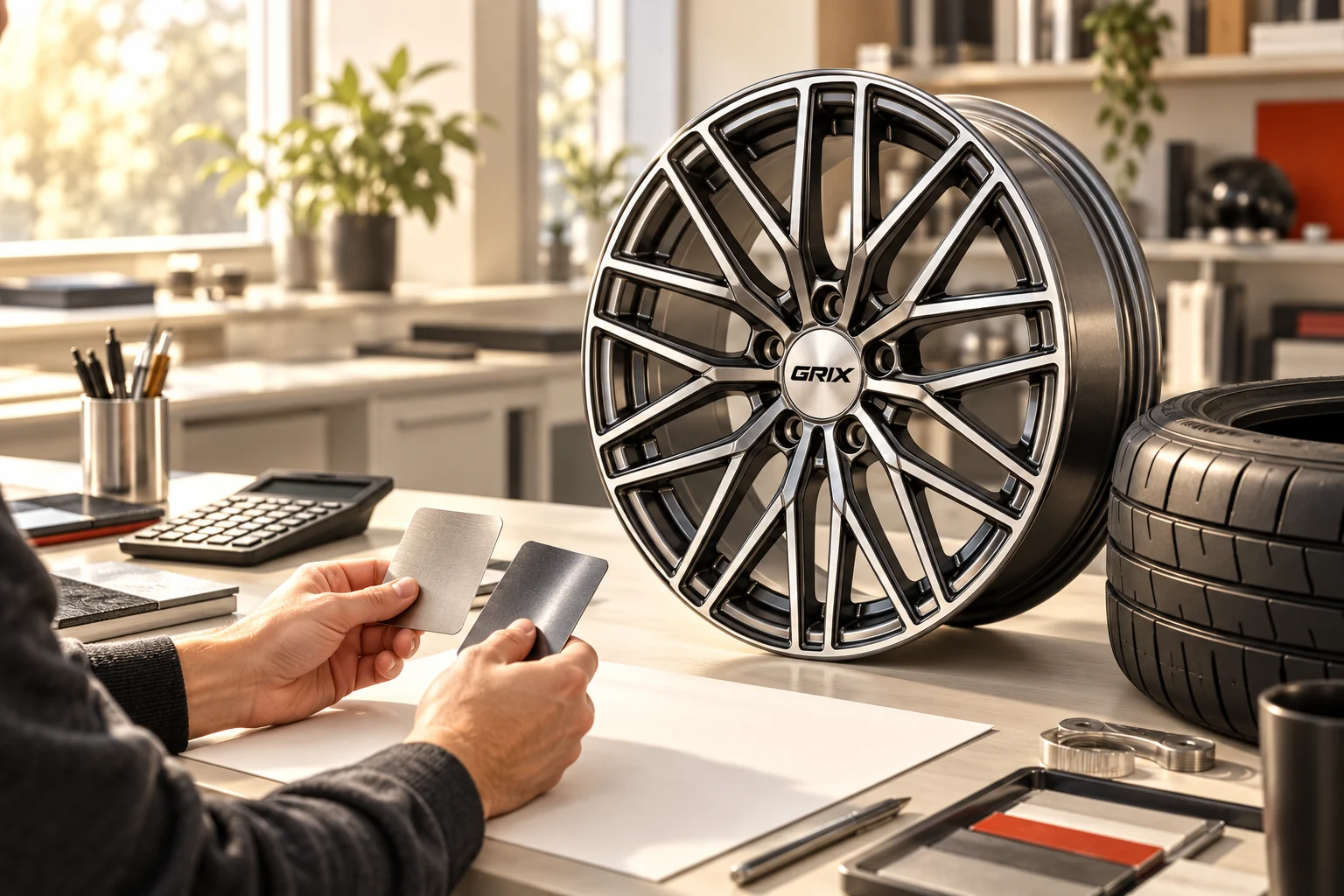
Decide what you are paying to improve
Write down the reason for changing wheels before comparing quotes. It might be appearance, a different tire choice, clearance for a brake upgrade or a weight target. “Forged” describes construction; it is not a measurable outcome by itself.
A useful purchasing brief contains three priorities and a few constraints. For example: preserve everyday comfort, retain the current brake system and choose a finish that is easy to maintain. A different brief might prioritize a confirmed brake envelope and repeated track use. These two drivers should not necessarily buy the same specification.
Understand the manufacturing premium
Forming a forged blank and machining the final wheel can require considerable equipment, processing time and material removal. Detailed machining and finishing add further work. Those production choices help explain why a forged quote can exceed a cast or flow-formed alternative.
However, the price also pays for the product offered around that manufacturing route. Ask which size, offset, finish and accessories are included, whether the configuration is established or individually confirmed, and what evidence supports its application. An unexplained premium should remain an unanswered question.
Technical references: BBS forging technology · Apex forged-wheel design and machining
Compare complete proposals rather than starting prices
Put competing proposals on the same specification sheet. A comparison is incomplete when one quote is for four wheels and another excludes rear-wheel differences, hardware or freight. For an overseas purchase, distinguish the seller’s delivery charge from any destination charges that have not been included.
A realistic ownership budget also includes suitable tires, fitting and balancing, any approved ancillary hardware, and access to replacement parts. Do not spend the tire budget to obtain a construction label while leaving the actual wheel-and-tire combination unresolved.
- List the exact front and rear wheel sizes, offsets, bolt patterns and center bores.
- Ask for the corresponding weight, load declaration and applicable test information.
- Confirm the tire specification and any brake or suspension clearance work still required.
- Record the finish, hardware, delivery terms, warranty scope and replacement process in writing.
When a forged option has a clear purpose
A weight-sensitive build can justify the additional cost when the proposed wheel actually reduces mass at the required specification. A demanding brake package can justify a particular design when its clearance has been checked. A custom appearance can also be a valid reason to buy, provided it is treated honestly as an aesthetic preference.
For frequent track use, construction is only one part of the decision. Select for the intended duty and documented product limits, then establish an inspection routine with the supplier or installer. A premium purchase does not eliminate wear, impact damage or the need to inspect wheels after an incident.
When the budget is better spent elsewhere
If your current wheels already fit the car and there is no measured deficiency to address, a forged replacement is a choice rather than a necessity. Worn tires, an unresolved vibration or an alignment problem should be diagnosed on their own terms. Buying different wheels without identifying the cause may simply leave the same problem in place.
For a road car, a correctly specified, well-supported cast or flow-formed option can be a rational proposal. The decision should compare actual products and their suitability. Treat claims of guaranteed lap-time, stopping-distance or fuel-saving improvements as claims that require evidence, not as part of the meaning of forged.
Make the purchase decision with a written fitment brief
Before ordering, send the vehicle year, model and trim; current wheel and tire specifications; brake details; suspension changes; intended use; and the design you prefer. If a measurement is unknown, identify it as unknown so it can be checked. Guessing a value merely makes a quotation look more complete.
Ask GRIX to confirm the available configuration and the information supporting it. A worthwhile purchase is one where the technical specification, appearance, service expectations and total budget agree. That is a more durable reason to buy than the manufacturing name on its own.